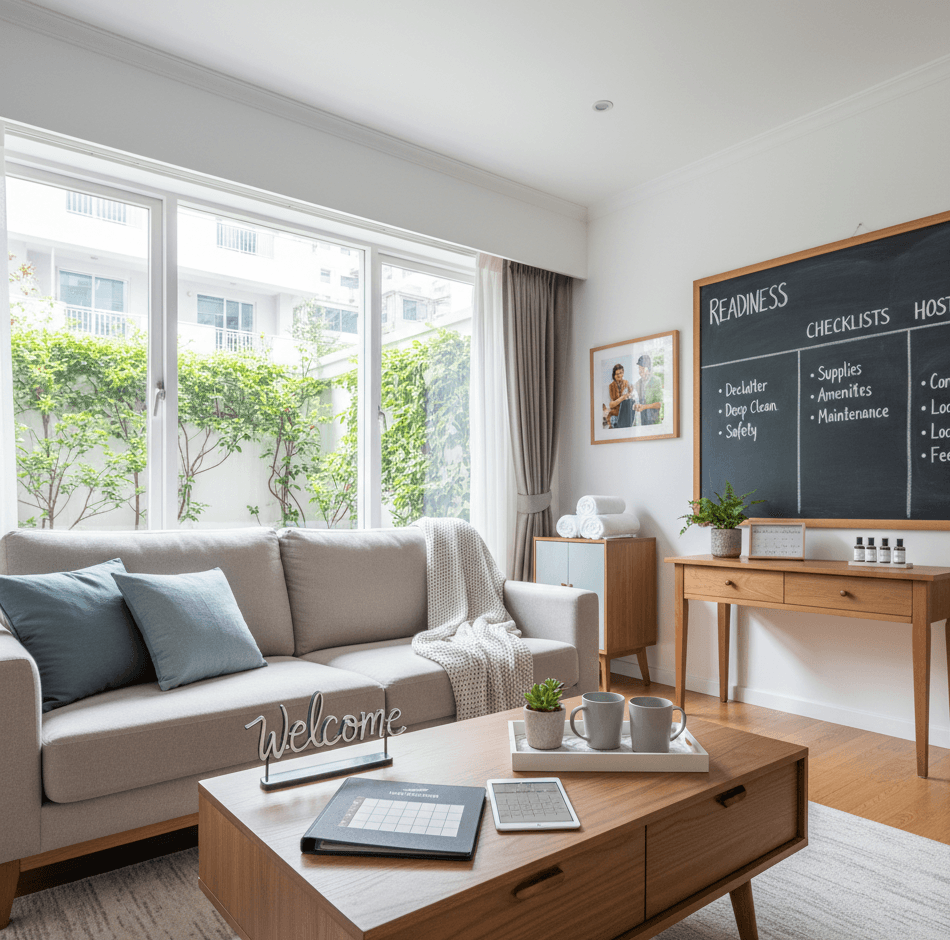
Short term rental success starts long before your first bookings. If you want to prepare home for short term rentals the right way, think like a guest, act like a business owner, and set up repeatable systems that keep your place guest ready even after many stays and plenty of wear and tear.
Whether you’re turning a primary property into a vacation rental, upgrading a vacation home, or entering the short term rental market for the first time, the goal is the same: make it easy for potential guests to say “yes,” and even easier for them to leave positive reviews.
Step 1: Know if your property fits the short term rental market
Before you rent, do a quick reality check on your property and your goals (space, time, and money).
Ask yourself:
- Is the location close to local attractions and nearby attractions like beaches, studios, hospitals, offices, or popular restaurants?
- Can your short term rental property handle frequent turnovers without falling apart from wear and tear?
- Do you have reliable access for guests and vendors (lockbox or smart lock)?
- Can you meet expectations most people have when they book a short term rental instead of a hotel?
If the answer is yes, you’re a long way ahead of most people who rush to create a listing and then forget the operational side.
Step 2: Turn your home into a true vacation home experience
To prepare, you’ll need to shift from “my home” to “guest first.” A strong short term rental host setup looks like a clean, calm, functional vacation space that feels consistent for every group of guests.
Key upgrades:
- Remove personal items (family photos, valuables, sensitive documents). This reduces stress and helps guests feel comfortable.
- Prioritise durability (washable fabrics, scratch resistant finishes).
- Add comfort basics (fans, lamps, storage) so guests stay organised.
- Make it easy to enjoy the outdoor space (seating, lighting, clear paths). If you have a hot tub, include safety signage and simple instructions.
- Consider your audience: do you want to be pet friendly? If yes, plan for cleaning, rules, and supplies.
And don’t underestimate presentation: high quality photos are often the difference between a scroll past and a booking, especially on competitive rental platforms.
Step 3: Use a setup checklist before guests arrive
A repeatable checklist helps prevent small misses that cause big frustration (and sometimes negative reviews). Below is a practical rental property checklist you can reuse before guests arrive and after each deep clean.
Bedrooms and sleep comfort
- Fresh linens, extra pillowcases, and extra blankets
- Blackout or privacy curtains
- Clear bedside lighting
- Charging options near beds
- A simple note on where to find supplies so guests feel looked after
Bathrooms that feel stocked, not sparse
- Toilet paper (more than you think), plus paper towels in a reachable place
- Basic toiletries (soap, shampoo, conditioner) and spare trash liners
- Non slip mat and good ventilation
- Clear instructions for hot water, quirks, or sensitive plumbing
Kitchen essentials guests actually use
- Cookware, utensils, cups, and plates
- Easy start basics (salt, pepper, oil)
- Coffee and tea station
- Working garbage disposal (if you have one) with clear instructions
- Label where things go so you can reset faster after guests stay
Tip: don’t just stock “stuff.” Stock the essentials guests rely on for day one.
Living areas and entertainment
- Comfortable seating and good lighting
- Streaming services ready to use (with guest mode when possible)
- A printed wifi password card in an obvious spot
- Basic games or books for downtime
Safety and peace of mind
- Working smoke alarms and carbon monoxide detectors
- Visible fire extinguishers in the kitchen and near exits
- A first aid kit, flashlight, and spare batteries
- A card with local emergency numbers and quick directions
Step 4: Make the check in process and house rules crystal clear
A smooth check in process reduces friction and cuts down on messages at odd hours. Your check in should feel simple even for first timers.
Include:
- Step by step arrival instructions (parking, entry, lock, lights)
- A backup plan if the battery dies or a code fails
- Appliance instructions and any quirks in plain language
Then set firm but fair house rules. You should clearly state:
- Quiet hours
- Smoking rules
- Pet rules if you’re pet friendly
- The maximum number of guests allowed
- Trash days and expectations
- Any sensitive areas guests should not access
Clarity protects your guest experience and your property.
Step 5: Run it like a short term rental business, not a hobby
If you’re building a short term rental business, you need to plan for compliance, costs, and risk.
Local regulations, permits, and licences
In many cities, you may need:
- A business license
- Necessary permits
- Registration based on local regulations
Because many cities update requirements, set a reminder to review rules regularly. This helps you avoid fines and prevents listings being paused.
Insurance and liability protection
Short term rentals can create real liability issues. Talk to an insurance agent and your property insurance provider about coverage for term rentals and short term use. If needed, ask your insurance agent about add ons that better fit a rental property and guest turnover.
Also plan for expenses you’ll see on rental platforms, like a service fee, plus cleaning, restocking, repairs, and utilities.
Step 6: Add a personal touch that improves guest satisfaction
Little details can lift reviews fast:
- A welcome basket with local goodies
- A one page sheet of local recommendations (coffee, groceries, beaches, studios)
- A quick note that explains the home and sets a friendly tone
A personal touch helps guests feel welcome, which directly improves guest satisfaction and boosts repeat bookings.
Step 7: Keep readiness ongoing with maintenance, deep clean routines, and smart management
Great hosts plan for long term wear and tear. Schedule:
- A regular deep clean and inspection cycle
- Prompt replacement of worn linens, cookware, and small items
- Safety checks for alarms and extinguishers
- Seasonal refreshes that keep the space feeling new
Over time, consistency improves occupancy rates, reduces complaints, and supports premium pricing.
Want help with full service management in Los Angeles?
If you’d rather focus on results than operations, rental management and a trusted property manager can help you prepare, run, and optimise your rental property with less stress.
Explore ShortMidStay resources and options here:
- Visit ShortMidStay to learn how we approach short term stays.
- Browse available homes on All Listings or check a curated category via this listings collection.
- Learn about working together on Partner With Us.
- For LA specific support, see LA House Management Rentals and Home and Property Management Los Angeles.
- Use this planning resource: Los Angeles Residence Property Management Guide.
- Ready to talk? Reach out through Contact Us.
Conclusion
To prepare home for short term rentals, you don’t need perfection. You need a repeatable system that keeps the space safe, clean, and consistent each time guests arrive. When you prepare your short term rental property like a real vacation home, set clear instructions and house rules, and protect yourself with the right insurance, you create a better guest experience and earn the reviews that drive bookings.
If you want a comprehensive guide style approach without overcomplicating it, keep it simple: prepare, stock the essentials, communicate fast, and maintain standards. Do that, and your rental will go a long way in the short term rental market.