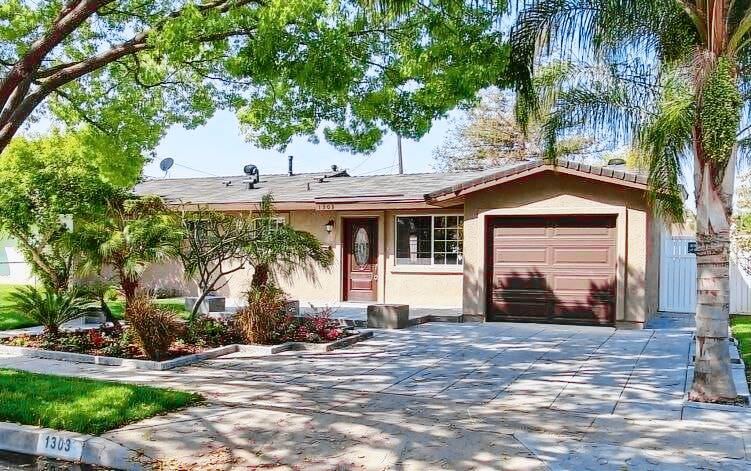
Owning a furnished rental in Los Angeles can be rewarding, but it can also feel like your house has turned into a constant to-do list. One day it is guest messaging. The next day it is a broken lamp, missing towels, or repairs that keep getting delayed. If you are trying to protect your income and your time, the real solution is not working harder. It is building a simple system for personal property management that keeps your personal property assets in good condition and keeps your property management decisions consistent.
This article is written for LA homeowners who want a clear, practical approach to managing a property furnished for guests. You will learn how to track assets, reduce loss, prevent fraud, handle excess personal property, and keep internal controls that support compliance. The goal is simple: fewer problems, better reviews, and more predictable success.
What Is Personal Property Management for LA Homeowners?
Personal property management is the process of managing the items inside your rental home as valuable assets, not random belongings. It includes planning, acquisition, tracking, utilization, maintenance, and disposal. The focus is on your personal property, meaning the furniture and equipment that make your rental functional and attractive to customers.
In a property furnished for short stays or mid stays, personal property assets usually include:
- Beds, mattresses, couches, tables, chairs
- Linens, towels, pillows, blankets
- Kitchen equipment, small appliances, cookware
- TVs, WiFi gear, smart locks, remotes
- Outdoor furniture, grills, décor
- Owner supplies are stored in a locked office closet
When personal property management is done well, it supports strong guest experience and reduces last-minute emergencies. It also helps you manage accountability, which is the foundation of asset management. If you do not know what you have, where it is located, and what condition it is in, then your management becomes reactive.
A simple mindset shift helps: treat your home like a program with rules and responsibilities, not a one time setup. That is how owners stay in control.
How Do You Build a Personal Property Inventory That Stays Updated?
Your inventory is your “source of truth.” It is the data that keeps your decisions clean, especially when something goes missing or breaks. The goal is not perfection. The goal is a complete list that is easy to maintain.
Start with a simple inventory structure:
- Room name
- Item name
- Quantity
- Location within the house
- Condition notes (good condition, worn, needs replacement soon)
- Date acquired
- Replacement link or notes (optional but helpful)
Then add a small set of procedures so the list stays updated:
- Update the inventory after every acquisition
- Review the inventory monthly, even if nothing seems wrong
- Require staff to submit notes when they see loss, damage, or anomalies
- Keep photo records for high-value assets and fragile items
A good inventory also helps you manage utilization. You start noticing which assets get heavy use and which assets create waste. That allows you to plan smarter replacements and reduce unnecessary spending.
If you want the system to work long-term, keep it simple enough that you will actually maintain it.
What Internal Controls Help Prevent Fraud, Loss, and Waste?
Internal controls are the basic rules that protect your home, your assets, and your income. Many owners think internal controls are “corporate,” but they can be very practical for a rental property.
Here are internal controls that work in real life:
- Lock the owner’s closet and limit access to only responsible staff
- Use checklists for turnover cleaning, staging, and supply restocking
- Require a quick review step before any replacement purchase is approved
- Track all repairs and replacements with a short note and receipt copy
- Perform random spot checks to catch problems early
Fraud usually happens when there is no accountability, no documentation, and no routine reviewing. Loss happens when items disappear slowly and nobody notices. Waste happens when purchases repeat because there is no process.
A simple “control loop” for managing assets looks like this:
- Notice an issue
- Document it
- Decide using the criteria
- Fix it
- Confirm it is complete
- Update records
If you are managing alone, you can still apply internal controls by using your own checklist and a weekly review routine. If you have staff, training matters. Employees should know what to do, who to contact, how to request approvals, and what problems must be reported immediately.
How Do Acquisition and Asset Management Work in a Property Furnished for Guests?
Most owners focus on décor first, then get stuck replacing items too often. A smarter approach is to treat acquisition as part of asset management.
When acquiring furniture and equipment, use criteria that protect your time and reduce repairs:
- Durable materials that can handle heavy utilization
- Easy to clean surfaces and washable fabrics
- Replacement availability if an item is longer needed or breaks
- Safe and practical choices that reduce guest accidents
- Consistent style so replacements do not look like random mismatches
Then set a simple acquisition rule: every purchase must be recorded in the inventory and linked to the location where it will live in the house. That keeps accountability clean and supports compliance later.
A helpful way to think about asset management is to manage the “life cycle” of each item:
- Acquisition and setup
- Daily use and wear
- Maintenance and minor repairs
- Replacement decision
- Disposals and documentation
This life cycle approach is what creates stability. It stops the constant cycle of buying, losing, and replacing without a clear point of control.
How Do You Keep a House in Good Condition Through Maintenance and Repairs?
Maintenance is where many owners lose money because problems stack up. When maintenance is not planned, repairs become urgent, expensive, and disruptive.
A simple maintenance system should include:
- A weekly walkthrough checklist (10 to 15 minutes)
- A monthly “deep check” for wear, leaks, HVAC performance, and appliances
- A log for repairs with dates, cost, and status
- A “replacement watch list” for items close to failure
Also, decide who is responsible for each maintenance function:
- Who reports the issue
- Who approves the repair
- Who coordinates the vendor
- Who confirms the job is complete
- Who updates the records
That is how you avoid gaps. Without clear responsibilities, repairs get delayed, guests get frustrated, and your property falls out of good condition.
If your home is in Los Angeles, fast coordination matters. Guests expect quick solutions, and small issues can become big problems if they are ignored. A reliable process is what keeps customers happy and protects your long-term income.
When Should You Treat Items as Excess Personal Property and Dispose of Them?
Excess personal property is not just “extra.” It is anything that increases clutter, creates cleaning delays, adds breakage risk, or is longer needed to support a quality stay. Excess also includes items that do not match the standard you want customers to experience.
Examples of excess personal property:
- Old décor that breaks often
- Duplicate kitchen equipment that gets scattered
- Worn linens that never feel fresh
- Furniture that no longer looks clean or stable
- Items stored in closets that staff do not understand
A good disposal process protects your records and reduces waste. Keep it simple:
- Decide if the item should be repaired, replaced, donated, recycled, or trashed
- Document the reason for disposals (damage, wear, safety, or no utilization)
- Remove it from the inventory list
- Store replacement items in an organized way so that staff do not guess
This is also where owners prevent repeated spending. If you do not track what you dispose, you will buy the same “missing” items again and again.
A clean approach to excess and disposals protects the property, keeps operations smooth, and improves the guest experience.
What Can Federal Government and General Services Administration Guidance Teach About Controls?
You are not operating a federal government office, and you are not an agency running a public property program. Still, there are useful lessons from how large organizations manage personal property assets at scale. That is why people sometimes reference General Services Administration guidance when discussing accountability, internal controls, and managing items that are excess or longer needed.
The practical takeaway for an LA homeowner is not to copy federal rules word for word. The takeaway is to borrow the mindset:
- Maintain inventories so you know what you own
- Use clear procedures, so staff handle assets consistently
- Track items that are excess so you can reduce waste
- Keep documentation so you can explain decisions if needed
You may also see the terms GSA and General Services Administration connected to the idea of excess personal property and how assets are moved or disposed. For homeowners, the key is simply having a process that supports compliance, reduces fraud, and makes accountability real.
When your internal controls are clear and your data is updated, the home is easier to manage and easier to protect.
How Do Non-Federal Recipients and Compliance Ideas Apply to LA Property Management?
The phrase non-federal recipients comes from formal asset programs where property transfers follow defined rules. For a homeowner, the concept is still helpful because it reminds you of an important point: assets should not be handled casually. Transfers, replacements, and disposals should follow a consistent process.
For an LA homeowner, compliance often means:
- Keeping accurate records of what is in the property
- Documenting major replacements, repairs, and disposals
- Maintaining standards and safety in a property furnished for guests
- Managing operational steps in accordance with local expectations
Compliance becomes much easier when it is built into your everyday workflow. When your procedures are clear, you reduce confusion for staff, reduce problems for guests, and reduce risk for the owner.
If you want less stress, make compliance part of management, not a last-minute scramble.
Why Is Full Service Property Management the Fastest Way to Restore Peace of Mind?
If you are doing everything yourself, you are juggling guest communication, turnover coordination, maintenance, supplies, and financial tracking. That is a lot. Even organized owners burn out because the workload never fully stops.
This is where professional property management support can change everything. With the right services, a homeowner gets:
- A reliable process for managing bookings and guest support
- Coordinated cleaning, maintenance, and repairs
- Systems that protect personal property assets and reduce loss
- Clear internal controls that prevent fraud and reduce waste
- Ongoing reviewing and updates so the property stays in good condition
- A committed management approach that helps your rental perform consistently
If you want a homeowner-focused management partner in Los Angeles, Shortmid Stay is built around that outcome. The website focuses on helping owners manage the property, protect the house, and deliver a smooth guest experience without the owner carrying every responsibility alone.
What Is the Best Next Step to Turn Hassle Into Harmony?
Personal property management becomes easier when you stop relying on memory and start relying on a process. The best systems are simple enough to maintain and strong enough to protect you.
Here is a quick action list you can use today:
- Create an inventory of personal property assets by room
- Lock an owner’s closet and control access
- Use checklists and internal controls for turnovers
- Track repairs and replacements with basic data
- Remove excess personal property that creates clutter and waste
- Keep procedures clear so staff know how to request approvals and report problems
When these steps are in place, your home stays in good condition, your operations stay consistent, and your rental becomes far less stressful. That is how you move from hassle to harmony.
Get homeowner-focused property management support in Los Angeles at Shortmid Stay. Call now at 818-305-6520.
Works Cited
General Services Administration. “Personal Property Management.” U.S. General Services Administration, www.gsa.gov/policy-regulations/policy/personal-property-policy-overview/personal-property-management. Accessed 17 Dec. 2025.
Government Accountability Office. Standards for Internal Control in the Federal Government. GAO-14-704G, Sept. 2014, www.gao.gov/assets/gao-14-704g.pdf. Accessed 17 Dec. 2025.
ShortMidStay. “Vacation Home Rentals for Short and Mid-Term Stays.” ShortMidStay, https://shortmidstay.com/. Accessed 17 Dec. 2025.
ShortMidStay. “Airbnb Booking Management Los Angeles.” ShortMidStay, https://shortmidstay.com/airbnb-booking-management-los-angeles/. Accessed 17 Dec. 2025.
ShortMidStay. “Vacation Rental Cleaning and Maintenance Services.” ShortMidStay, https://shortmidstay.com/vacation-rental-cleaning-maintenance/. Accessed 17 Dec. 2025.
Frequently Asked Questions:
What personal property assets should I track inside my rental house?
Track anything guests use or that affects the stay: beds, sofas, tables, chairs, appliances, TVs, WiFi equipment, smart locks, towels, linens, cookware, and outdoor items. Also track supplies stored in an owner's closet or office area, plus spares and replacement parts.
How do internal controls help prevent loss, fraud, and waste in property management?
Internal controls are simple rules that create accountability, like locked owner storage, turnover checklists, photo checks, and requiring staff to report anomalies. They reduce loss by spotting missing items early, prevent fraud by requiring approvals for purchases, and cut waste by stopping repeat buying of the same supplies.
When should I remove excess personal property and how should disposals be handled?
Remove excess personal property when it adds clutter, increases cleaning time, breaks often, or is no longer needed to support the guest experience. For disposals, document what was removed and why, update your inventory, decide whether to repair, donate, recycle, or dispose, and keep replacements organised so the home stays consistent.
How can professional property management services help me maintain a property furnished for guests in good condition?
Professional property management services can coordinate cleaning, guest support, maintenance, and repairs using consistent procedures. They help manage personal property assets with inventory routines and controls, keep the house guest-ready, and reduce stress for the owner by handling day-to-day operations.