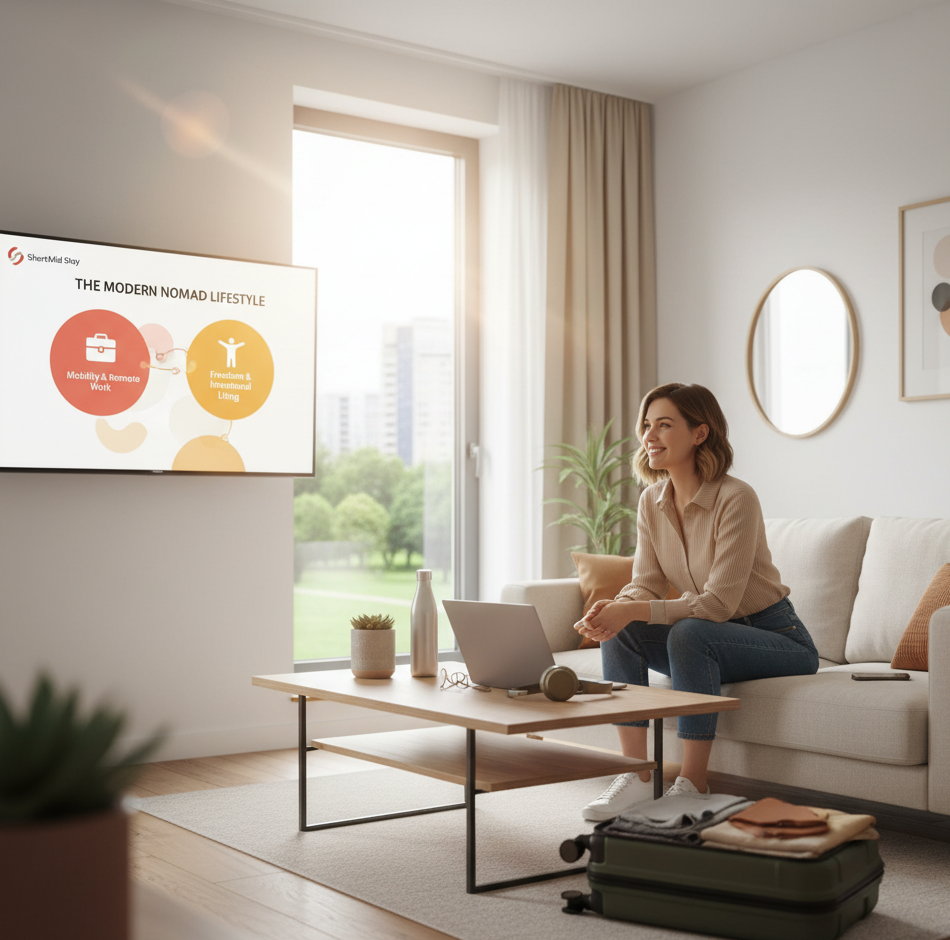
The way most people think about “home” has changed. Years ago, the american dream often meant permanent settlements, a fixed land address, and accumulating material possessions. Today, the modern nomad lifestyle is rewriting that idea. A modern nomad may spend a few months in one city, a week in another destination, then move again as work, money, and life happen.
This is not all about “running away” or being reckless. For many nomads, it’s a thoughtful way of life shaped by remote work, technology, and an important factor: the desire to live life with intention, collect diverse experiences, and meet fellow travelers around the world.
What Defines a Modern Nomadic Lifestyle?
A modern nomadic lifestyle (often shortened to nomadic lifestyle) blends mobility with purpose. It’s a nomadic way of living that prioritises freedom, flexibility, and self sufficiency without pretending that travel is always easy or that it will fix your entire life.
The key traits of nomadic living
- Freedom and mobility: You can live, work, and explore the world without being tied to one location.
- Remote work: A laptop and stable Wi-Fi can replace a commute, letting a digital nomad keep making money while moving.
- Minimalism: Owning fewer things makes it easier to leave home, settle temporarily, and move again.
- Community: From co-working to neighbourhood routines, nomads find friends and community in every city and country.
- Intentional choices: The most important factor is often deciding what matters, then building your lifestyle around it.
A nomadic life can look like slow travel across new cultures, a “home base” rotation for a few years, or even van life for people living lightly. There’s no single story that fits every person.
How Digital Minimalism Supports the Nomadic Life
If you’ve watched countless youtube videos about a digital nomad journey, you’ve probably seen the same advice: pack light, simplify, and keep your systems clean. Digital minimalism is what makes modern mobility practical.
Digital minimalism in travel, in real terms
- Fewer devices, better reliability: Laptop, phone, headphones, and backups for power.
- Cloud-first organisation: Documents and photos are accessible anywhere, which helps when your home country is far away.
- One “command centre” for life admin: Travel plans, a bank account dashboard, and work files in one secure place.
- Less clutter, fewer wrong turns: When your schedule changes, simple systems reduce stress and protect mental health.
This isn’t about being perfect. It’s about reducing friction so you can enjoy life more often, and so most things don’t feel like a constant emergency.
Housing Options That Actually Work for Nomads
Housing is where the modern nomad lifestyle becomes real. You can dream, imagine, and plan all day, but if you can’t find a safe place to live, the whole idea doesn’t work.
Short stays, mid stays, and flexible living
Short-term rentals
Good for quick trips, last-minute needs, or a week-long reset. The downside is cost—short stays can drain money fast if you don’t have enough money coming in consistently.
Mid-term rentals
For many nomads, mid-term stays are the sweet spot: long enough to build routines, focus on work, and still keep your nomadic lifestyle alive. A few months is often ideal for deep local immersion without feeling trapped.
If you’re planning Los Angeles as a destination, you can browse flexible options through ShortMidStay and check all listings to find a fit for your life and schedule. If you prefer a specific style of stay, explore a curated category selection as part of your journey planning.
Coliving and shared homes
These can be great for community and meeting fellow travelers, but not all nomads want shared kitchens or less privacy. Some people need quiet for remote work or for mental health, and that’s valid.
House sitting
House sitting is a real option for nomadic living when you want stability without a long lease. It can help you save money, but availability and timing can be unpredictable.
Renting as a Modern Minimalist (With Family Considerations)
Renting isn’t just a financial choice—it can be an idea built around freedom. For a minimalist, renting reduces the weight of furniture, maintenance, and long-term commitments.
But it’s also true that a nomadic lifestyle can involve family. Some nomads travel with kids, or they’re balancing work with caring for a young child. In those cases, housing isn’t just a place to sleep—it’s a base that supports routines, safety, and calm.
Why renting fits the modern nomad
- Less attachment to material possessions
- More flexibility to settle temporarily in a neighbourhood that fits your needs
- Better control of money (especially if you’re prioritising saving and financial stability)
- More time for amazing experiences instead of constant home upkeep
If your goal is long term travel, choosing the right rental setup can be the difference between happy travels and burnout.
Digital Nomad Visas, Work Visas, and the Reality Check
The modern nomad lifestyle is global, but it’s not lawless. You must follow rules that depend on each country.
- Digital nomad visas are designed for remote workers in some places, but requirements vary.
- A work visa may still be necessary depending on the work you do and where your clients are.
- Your home country tax and reporting rules may still matter even when you’re living abroad.
This is where practical advice beats hype. Followup comments online can be confusing, and not all info is accurate. Always verify what applies to your situation, because getting it wrong can affect your ability to live and work abroad.
The Benefits (and Challenges) of a Nomadic Way of Life
A modern nomad lifestyle can bring huge upside, but it’s not all sunshine.
Benefits
- Personal growth: Learning to adapt builds confidence and resilience.
- New cultures and perspectives: The world feels bigger in the best way.
- Flexible work-life design: You can build a lifestyle that fits your values.
Challenges
- Inconsistent income: Making money can be uneven, especially early on.
- Isolation: Constant movement can strain friends and family ties.
- Logistics fatigue: Booking, moving, and re-settling can wear you down.
- Mental health pressure: If you’re already struggling, travel won’t automatically fix it.
The goal isn’t to pretend challenges don’t exist. The goal is to build systems that support your life.
Why Flexible Housing Matters (Especially in Los Angeles)
For a digital nomad or anyone trying nomadic living, housing quality directly affects your ability to work, rest, and feel grounded. In Los Angeles, flexible mid-term rentals can help you keep momentum without forcing permanent commitments.
If you’re a homeowner or investor thinking about offering flexible stays, you can learn more through Partner With Us. For guidance on the “behind the scenes” side of hosting, these resources help you understand how property support works in the city:
- What a Los Angeles Property Manager Does
- Managing a Household With LA Property Management
- Single-Family Property Managers Guide for Los Angeles
And if you have questions, send an e mail inquiry through the contact page so you can plan the next step with clarity.
Living Light, Living Free (Without Losing the Plot)
The modern nomad lifestyle is a real lifestyle choice, not just a trend. It’s a nomadic lifestyle built on mobility, remote work, and choosing experiences over permanent settlements. For some people, it’s the best way to enjoy life. For others, it’s a season of life that lasts a few months or a few years, then they decide to settle again. Either way, it can be meaningful, as long as you’re honest about what you need: stability, community, enough money, and a plan that protects your mental health.
If you’re ready to explore flexible stays built for a modern nomad in Los Angeles, start with ShortMidStay and browse all listings to find a home base that fits your journey.