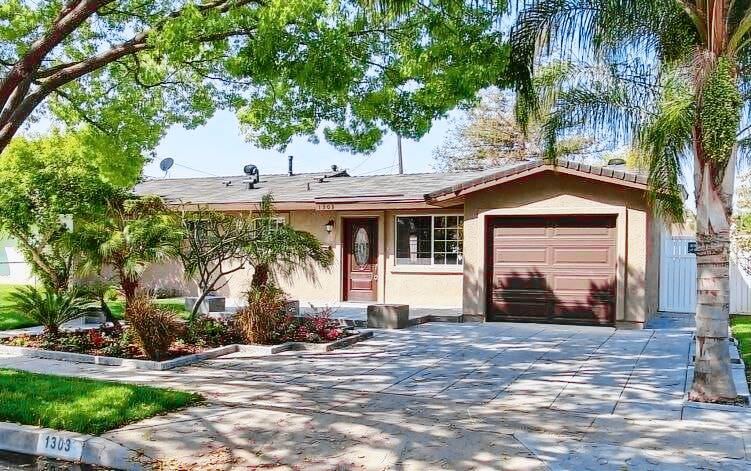
Mid term rental management 30 90 day stays is the operating system behind a smooth, month-plus rental: pricing, screening, agreements, cleaning, maintenance, and compliance that keep a furnished place running with fewer surprises. For many owners, the sweet spot sits right between short term rentals and traditional long term leases. You get extended stays and longer bookings without committing to a year long lease, and you can often stabilize occupancy while lowering turnover costs, wear and tear, and less turnover stress compared with constant short term bookings.
This guide focuses on Los Angeles and nearby neighborhoods, but the same core approach applies across major markets where remote work and a growing market for furnished rentals is driving a clear trend and shift in demand.
Who Chooses Mid Term Rentals and Why Do They Stay 30–90 Days?
Mid term rentals (also called medium term rentals or a term rental) are typically a temporary home for working professionals who need comfort, space, and predictable monthly billing. Common mid term guests include:
Traveling professionals and contract workers
Think travel nurses, other traveling professionals, and teams on temporary assignments. They usually want comfortable workspaces, fast wi fi, and reliable wi fi for video calls and daily productivity. If your listing can honestly promise fast wi fi and fast wi, it will stand out in search results.
Remote workers and digital nomads
Remote workers and digital nomads often book longer stays to test a new city, handle a business project, or bridge a move. They value a calm setup for remote work, strong wi fi, and a practical home routine.
Families and life transitions
Families displaced by repairs or claim-related housing needs often choose month-plus stays because it feels like a real home, not a hotel. These guests care about a practical kitchen, laundry, guest limits that fit their household, and clear rules for neighbors.
How Do Lease Agreements and Screening Work for 30–90 Day Stays?
Great operations start with clear paperwork and consistent screening that protects owners and helps guests know what to expect.
The agreement basics
For 30–90 nights, treat the agreement like a furnished rental contract, not a vague handshake. Include:
- All adult occupants, exact dates, renewal/extension options, and check ins guidance
- Total price, due dates, and what’s included (utilities, internet, parking)
- Deposit terms, lawful deductions, and return timeline
- House rules, quiet hours, a no-party clause, and guest limits
- Maintenance responsibilities and reporting steps
- Move-in and move-out photo checklists, plus any legal considerations
Screening and choosing the right tenants
Whether you self-manage or use property managers, screening should be objective and repeatable so you land the right tenants. Verify identity, confirm the purpose of stay, and request prior landlord/host references when possible. Keep criteria consistent, protect data, and follow fair housing rules. This is a key part of professional property management.
If you want a plain-English overview of what full-service management typically covers, see property management company duties in Los Angeles.
What Pricing Strategy Works Best for Furnished 30–90 Day Stays?
Guests usually choose mid-term because they want clarity and fewer surprises than short term vacation rentals and more flexibility than traditional leases or long term leases.
Common pricing models
A strong pricing strategy often looks like:
- All-in monthly rate including utilities and internet
- Base rent + utilities cap to control costs
- Discounts for 60–90 nights to encourage longer bookings and reduce turnover
- Optional mid-stay cleans instead of frequent cleans
Deposits, cleaning fees, and weekly options
Be transparent about deposits and cleaning fees. For certain segments, you can offer weekly billing arrangements (especially for corporate or insurance situations), but keep it documented. The goal is simple: fewer disputes, smoother renewals, and more predictable income.
How Do Local Regulations and Short Term Rental Regulations Affect This?
Compliance is where many owners get stuck, because local regulations and local ordinances can change by city and neighborhood. In many places, stays over 30 consecutive nights are treated differently than short term stays, which can affect taxes and registration. That’s why owners should treat compliance as a living checklist, not a one-time setup.
A simple compliance approach
- Confirm the property’s exact jurisdiction and applicable short term rental regulations
- Track each stay length clearly (especially when it crosses 30 nights)
- Keep a ledger for rent, taxes (if any), and due dates
- If something is unclear, verify with the relevant local office before assuming
Owners operating across multiple markets should be extra careful. For example, the compliance landscape can differ sharply between Los Angeles and san francisco, even when the property type is similar.
How Do Corporate Relocation and Insurance Housing Fit Mid Term?
These channels often drive the rise of month-plus stays because they value stability, documentation, and dependable service.
Corporate relocation
Relocation teams want move-in-ready homes near job hubs, flexible extensions, and clean invoicing. They care about lead times and responsiveness because projects tap into strict schedules and budgets.
Insurance temporary housing
Insurance placements often require claim details, habitability notes, and month-to-month flexibility. Clear documentation and consistent service can mean more money over time through repeat referrals and reduced vacancy between bookings.
How Should Maintenance, Cleaning, and Safety Work for Longer Stays?
Mid term rental management is hospitality plus discipline. You are protecting the property while keeping guests comfortable enough to extend.
Maintenance rhythm
- Before move-in: test alarms, locks, plumbing, hot water, and filters
- During stay: optional refresh clean, quick walkthrough, and fast fixes
- After move-out: photo inspection, repair small items, and deep clean as needed
A guest-ready standard
Keep it simple and repeatable with checklists. This reduces errors, protects condition, and supports higher returns by keeping reviews and renewals strong.
If your home is a detached house, you may want a management approach designed specifically for that asset type. See single family home property management in Los Angeles.
How Do You Market Mid Term Rentals and Track Performance?
Marketing for mid term stays is about livability: workspace, storage, laundry, parking, and commute reality.
Marketing that matches how people search
- Highlight furnished place benefits, practical layouts, and comfortable workspaces
- Be specific about the internet setup and wi fi quality
- Mention proximity to hospitals, campuses, and business districts
- Explain extension options, minimum stays, and typical lead times
Performance metrics that matter
Track:
- Length of stay, extension rate, and gaps between stays
- Effective monthly revenue after utilities and cleaning
- Maintenance tickets per stay and resolution speed
- Calendar health (avoid overlaps and double-booking)
A single master calendar and consistent processes make it easier to scale, especially if you’re balancing short term rentals in peak periods and mid-term during slower seasons.
To see examples of available stays and what guests compare, you can browse furnished listings and view a curated category of listings.
Where Should You Start if You Want Help Managing 30–90 Day Stays?
If you want fewer moving parts, professional support can cover pricing, screening, agreements, cleaning coordination, maintenance, and ongoing compliance. For a clear definition of what full-service looks like for homeowners, read this explanation of property management for short and mid-term rentals in LA.
If your goal is to reduce turnover, protect the home, and earn stable furnished rental income, start here:
- Learn how furnished home rental income is supported by local management
- Partner with ShortmidStay if you want a managed solution
- Contact ShortmidStay for availability, setup, and next steps
- Or begin at ShortmidStay.com for an overview of services and approach
For owners who want the same income-focused overview in another place, you can also reference this furnished home rental income guide again as a practical starting point.
What Should You Remember in Closing?
Mid term rentals are built for professionals, families, and tenants with specific timelines, and the model keeps getting stronger as remote work normalizes and market trends continue to favor flexibility. When executed well, mid-term management can mean fewer turnovers, better planning, and a healthier balance between hospitality and traditional leasing. The formula is steady: clear terms, consistent screening, compliant operations, and fast communication. Do that, and your property can stay booked with longer stays that protect your time and support stable rental income.