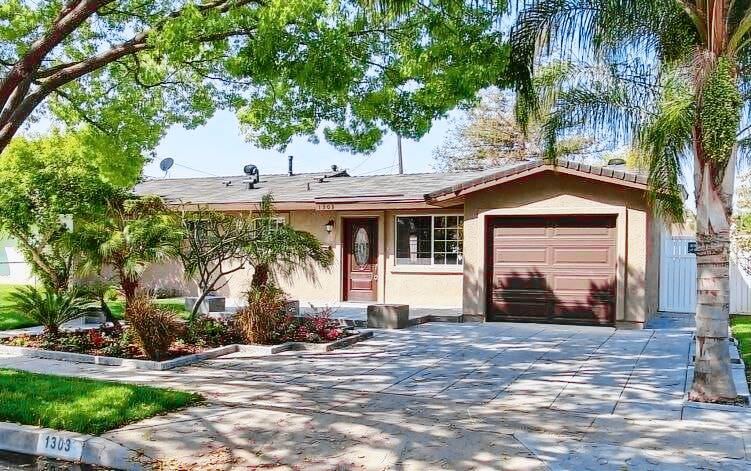
What Do Single-Family Property Managers Actually Do For Los Angeles Homeowners?
Single-family property managers help homeowners run a rental property without feeling like they have a second full-time job. They step in as the day-to-day operator, so owners can keep their life, family time, and work schedule steady while the property still performs.
In plain terms, they manage the moving parts that usually create worry for landlords:
- They set up a clear process for booking, leasing, and ongoing management.
- They communicate with tenants, renters, and short-term guests in a professional way.
- They handle maintenance requests and track maintenance issues before they become expensive repairs.
- They coordinate cleaning and turnover schedules to keep the house ready and secure.
- They protect the property with checklists, inspections, and consistent documentation.
- They keep owner reporting organized, so you understand income, costs, and results.
This is especially helpful for single-family homes because one problem can affect the entire house. There is no shared building staff like you might find with multifamily properties. A strong property manager fills that gap with a team, tools, and a reliable system.
If your goal is more money and less stress, the value is not just “help.” The value is a recognized structure that helps you manage, maximize, and stay in control without doing everything yourself.
How Can A Property Management Company Turn A Rental Property Into A Reliable Income Stream?
A property management company gives you an operating system, not just a person answering messages. That matters because short-term and mid-term rentals depend on speed, consistency, and trust.
When management is steady, owners usually see benefits like:
- More consistent occupancy and fewer gaps in the calendar.
- Better pricing decisions based on the market, season, and demand.
- Faster response times that protect the guest experience and reduce complaints.
- Fewer mistakes because the process is repeatable and organized.
A strong management company typically focuses on three outcomes at once:
- Protect the property. A clean, well-managed house attracts better renters and reduces damage risk.
- Improve efficiency. Faster workflows reduce wasted time and reduce costs.
- Increase income. Better pricing, better presentation, and better communication often lead to stronger profit over the long term.
Many owners feel there are so many options, but most options fall into two paths. You either manage everything yourself, or you build a partnership with a company that is built for this business. If you are investing for wealth, you want the path that reduces worry and increases predictability.
What Should Be Included In A Property Management Agreement Before You Sign?
A property management agreement is the foundation of the relationship. It explains what the property manager will do, what you control, and what happens when something goes wrong. It also helps you decide if a company is the right fit for your rental strategy.
Before you sign, look for clear details in these areas.
Scope of services
- What “property management” includes for your house, including communication, leasing, and ongoing support.
- Whether the company manages short-term and mid-term stays, or only one type.
- How the company handles residents and tenants, and what rules apply.
Money, fees, and reporting
- How you are paid, how often, and what shows on owner statements.
- What costs can be charged to the owner, and what needs approval.
- How pricing decisions are made, and how you can stay involved.
Maintenance and repairs
- How maintenance requests are submitted and tracked.
- What happens in urgent situations and how fast the team responds.
- The approval limits that prevent surprise spending.
Screening and leasing steps
- Whether tenant screening is used for mid-term renters.
- What documents are used for leasing, extensions, and renewals.
- How the company handles late paying or broken rules.
Security and standards
- How the property is kept secure between stays.
- How inspections and documentation are handled.
- How problems are identified and resolved.
Ending the agreement
- How either party can end the relationship and how the handoff works.
- What happens to future bookings, upcoming stays, and the calendar.
A good agreement should be easy to explain. If the company cannot explain it clearly, that is a signal to slow down and ask more questions.
How Do Tenant Screening And Leasing Support Owners, Tenants, And Stable Living?
Tenant screening is important when you offer mid-term stays that function more like traditional renting. Screening helps reduce risk while supporting a fair, consistent process.
Leasing also matters because it creates clarity. It sets expectations for both sides, so tenants know what “success” looks like and owners know what they can enforce.
A strong screening and leasing approach usually covers:
- Who will live in the property and how many people are included.
- How renters will pay rent and when it is due.
- House rules that protect the property and the community.
- How maintenance issues are reported and how access is handled for repairs.
- What happens if someone wants to extend, end early, or change terms.
This helps everyone. Tenants and residents get a clear framework for living in the home. Landlords and investors get a smoother process that reduces conflict and reduces worry.
If you are comparing single-family homes to multifamily properties, remember this. One mismatch in a single-family rental can cost more time and money because there is less buffer. That is why consistent screening and leasing matter.
How Do Pay Rent Systems And Owner Accounting Create Control And Reduce Worry?
Owners often think the hardest part is finding renters. In reality, the hardest part is staying organized once the rental is active. If payments, statements, and costs are unclear, it creates stress.
A professional property manager should make the paying process simple for renters and transparent for owners. That usually includes:
- Clear instructions for how tenants pay rent.
- Automatic reminders and consistent due-date expectations.
- Clean reporting that separates income, costs, and fees.
- Easy-to-read account records that support tax planning and investing decisions.
When accounting is clear, you gain control. You can identify what is working, where money is leaking, and what you should improve. You can also decide whether to adjust the price, change the rental plan, or invest in upgrades that increase profit.
This is also where a good management company supports clients and customers. Owners are not left guessing. They can see results, understand the market, and make better decisions for the long term.
How Are Maintenance Requests, Cleaning, And Inspections Managed In Single Family Homes?
Maintenance is one of the biggest reasons owners burn out. Maintenance requests can feel nonstop, especially when you are juggling business, family, and life. The difference between a stressful rental and a calm rental is often the system behind maintenance and turnover.
A strong property manager treats maintenance and cleaning as a coordinated workflow:
- Maintenance requests: Renters need a clear method to report problems, and the team needs a clear method to respond.
- Maintenance issues: Small issues are handled early, before they become large costs.
- Cleaning and turnover: The house is prepared consistently, so each arrival starts smoothly.
- Inspections: The property is checked on a schedule, and issues are documented and solved quickly.
- Vendor coordination: Repairs and service visits are planned, tracked, and confirmed.
Single-family homes require special attention because every system is inside one house. Plumbing, appliances, heating, and basic wear can affect the entire experience. In multifamily properties, there is sometimes on-site support or shared systems. In single family, owners need a reliable team.
The goal is not perfect living. The goal is stable management that keeps residents comfortable and keeps the property protected. When maintenance is handled well, owners often see fewer emergencies, lower long-term costs, and higher satisfaction from renters.
What Strategy Helps Los Angeles Owners Maximize Short-term And Mid-term Rental Success?
Los Angeles is a competitive real estate environment with high expectations. That can feel overwhelming, but it also creates opportunity for owners who follow a clear strategy.
A practical strategy often includes these steps.
1) Choose your rental lane
Decide if your property is best for short-term, mid-term, or a flexible blend. Each lane has different rules, guest expectations, and operational needs.
2) Set standards for the home
A new home should be prepared to perform like a product. It should feel welcoming, but it should also be durable and easy to maintain. This improves convenience for renters and protects the property.
3) Use disciplined pricing
Price is not guesswork. A strong approach uses dynamic pricing principles that adjust based on season, demand, and local conditions. This is how many owners maximize income without adding stress.
4) Build strong communication and support
Fast, calm communication reduces confusion. It also reduces conflict and creates a better experience for tenants and renters.
5) Stay aware of local rules
Los Angeles has rules that can affect short-term operations. Owners should use a company that understands compliance and can explain the process in plain language.
6) Track performance and improve
Review income, costs, maintenance patterns, and guest outcomes. Then adjust. This is how investing becomes more predictable and how owners build wealth over time.
This is not about giving up control. It is about using the right partnership to manage operations while you keep ownership, direction, and decision-making power.
Final Thoughts
Single-family property managers can help Los Angeles homeowners turn a rental property into a smoother, more profitable investment. The best results usually come from consistent management, clear communication, and strong systems for tenant screening, leasing, paying, maintenance, and reporting.
If you want to earn more money from your property without letting the rental take over your life, a professional property management company can reduce worry and increase control. The right team can protect your house, support your renters, and help you succeed in a market with so many options.
If you are interested in professional support for your Los Angeles short-term or mid-term rental, visit Shortmid Stay to discover property management services designed for owners who want better income, better efficiency, and a safer, more secure process.
Works Cited
California Courts. “Landlords and Tenants.” California Courts Self Help Guide.
California Department of Real Estate. California Tenants: A Guide to Residential Tenants’ and Landlords’ Rights and Responsibilities (2025).
City of Los Angeles Housing Department. “Home Sharing Ordinance.” LAHD.
Los Angeles City Planning. “Home-Sharing.” City of Los Angeles.
Los Angeles Housing Department. “Rent Control Property Overview.” LAHD.
U.S. Department of Housing and Urban Development. “Housing Discrimination Under the Fair Housing Act.” HUD.
U.S. Department of Justice, Civil Rights Division. “The Fair Housing Act.” United States Department of Justice.
Internal Revenue Service. “About Publication 527, Residential Rental Property.” IRS.