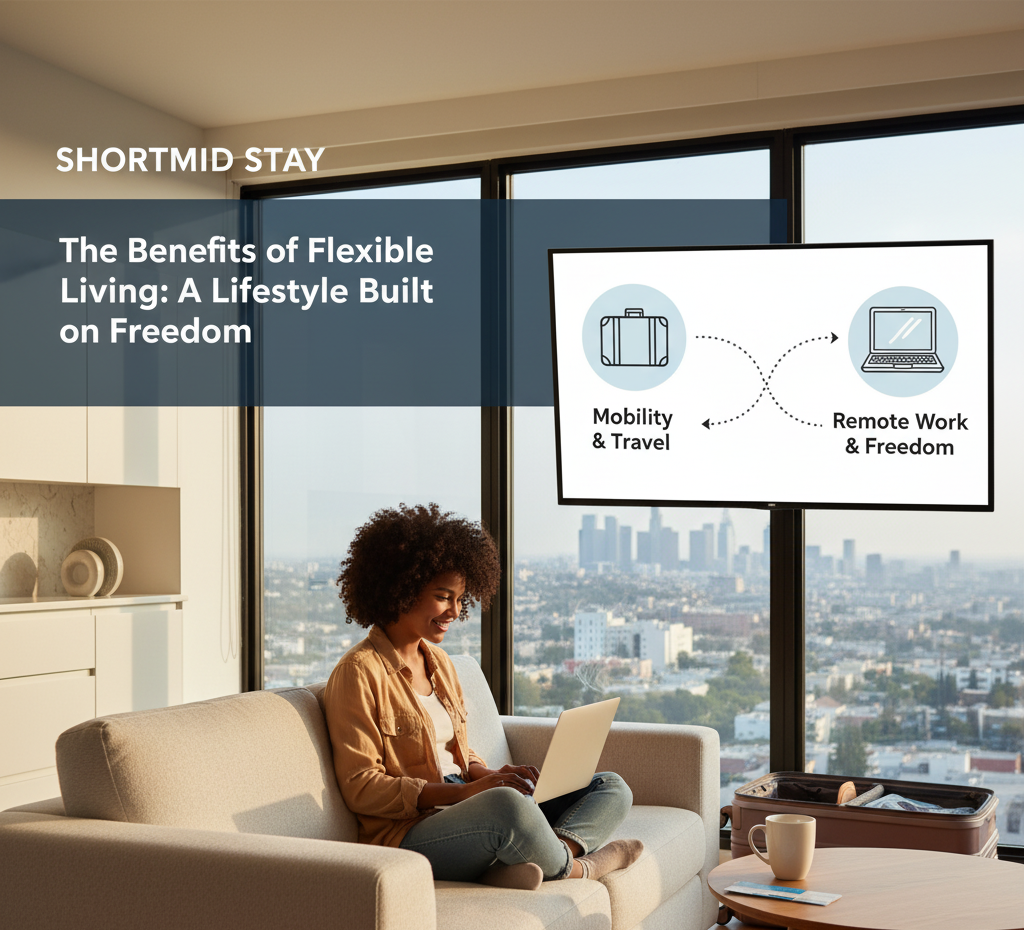
Modern living is changing fast. Jobs change, life changes, and lifestyle changes can happen overnight. In a world where people move between different cities, take remote work opportunities, and explore a new city for career or family reasons, the benefits of flexible living are becoming a key role in how people choose a home. Instead of long term commitments like long term leases or traditional leases, more residents are choosing flexible housing as a game changer for freedom, access, and comfort.
This shift is not just a trend. It’s a rise in demand for better housing solutions that fit diverse needs, different activities, and real life examples of how we live today.
Why Flexible Housing Is Growing in Demand
Flexible living is popular because it supports a wide range of living arrangements and living situation changes without the pressure of long term commitments.
Life Changes Make Flexibility a Must
A flexible living situation helps when:
- You relocate for work and need housing fast
- You are a student or young professionals starting out
- You are a remote workers on a contract
- You are a digital nomads exploring different cities
- You are in between private homes due to lifestyle changes
With flexible arrangements, your living situation can change as life changes.
Flexible Rental Agreements Reduce Risk
Traditional leases can feel risky when you’re unsure about the future. Flexible living arrangements often include rental terms like month to month leases or short term leases, so you can adapt without heavy penalties. This creates significant advantages, especially when you’re avoiding unexpected costs or uncertain timelines.
What “Flexible Living Spaces” Really Look Like
Flexible living spaces are designed to serve multiple purposes. Instead of a fixed layout that only works one way, the living space is built to support multiple purposes and different activities.
Flexible Space That Supports Real Life
A flexible space may include:
- Open concept spaces that feel spacious and bring in natural light
- Living rooms that can double as work zones
- Rooms that serve multiple purposes (work, rest, hosting overnight guests)
- Laundry rooms and practical storage so daily life runs smoothly
- Leisure areas and common areas that support community
This is home design that fits modern life. It’s not just about spaces, it’s about sense and comfort in your rooms and your city.
Co Living Spaces and Shared Spaces: Community Without Losing Privacy
For many people, co living spaces are part of flex living because they can be cost effective while still feeling like home. These shared spaces often include shared amenities and common areas that encourage interaction and foster community.
How Shared Amenities Encourage Interaction
In well-managed co living spaces, shared spaces are thoughtfully planned to:
- Encourage interaction in living rooms and lounge areas
- Foster community through shared amenities (kitchens, leisure areas, laundry rooms)
- Create a stronger sense of community for students, remote workers, and young professionals
At the same time, privacy still matters. Many flexible arrangements include private bedrooms so residents can recharge without feeling “always on.”
How Flexible Living Supports Remote Work
Remote work has changed housing. If you can work from anywhere, your housing should match that freedom. This is one of the key benefits and many benefits of flexible housing today.
Why It Works So Well for Remote Workers
Flexible living supports remote work by offering:
- Furnished apartments so you skip buying furniture
- Short term leases with clear rental agreements and rental terms
- Living arrangements that support a productive routine
- Spaces that serve multiple purposes, including dedicated work corners
Instead of being locked into long term leases, remote workers can follow opportunities, family needs, or lifestyle goals across different cities.
Costs, Convenience, and Avoiding Unexpected Costs
Let’s be real: costs matter. Flexible housing can sometimes look higher month-to-month, but it often includes value that traditional leases do not.
Cost Effective, When You Count the Full Picture
Flexible housing can be cost effective because it reduces:
- Upfront deposits tied to long term commitments
- Buying furniture for a temporary living situation
- Utility setup hassles
- Unexpected costs tied to move-out penalties or broken rental agreements
Many online platforms now make it easier to compare housing solutions and find flexible living arrangements that match your needs.
Challenges to Know About (And How to Handle Them)
Flexible living is not perfect, and that’s part of being honest about benefits and trade-offs.
Common Issues People Face
- Availability: the right living space can book quickly in a high-demand city
- Costs: some flexible arrangements are priced higher than long term leases
- Rules: certain areas have zoning laws that affect short term leases and how properties operate
The good news is that choosing a reputable provider helps reduce risk, improves the living situation, and keeps your life simpler.
Real Life Examples of Who Benefits Most
Here are real life examples of who typically sees the biggest benefits of flexible living:
Digital Nomads
They want flexible housing that supports work and travel across different cities, without long term commitments.
Remote Workers on Projects
They need furnished apartments with reliable setups, flexible rental terms, and a living space that can serve multiple purposes.
Students and Interns
They often need short term leases and housing solutions near training, study, or new job locations.
Young Professionals in Transition
They may be testing a new city, adjusting to jobs change realities, or deciding whether they want to settle long-term.
Flexible Living in Los Angeles With ShortMidStay
If you want the benefits of flexible living in Los Angeles, start with ShortMidStay for flexible housing options designed for modern living.
Easy Ways to Browse Options
- View available homes and furnished apartments on all listings
- If you want a specific style of flexible living spaces, check the category listings
If you’re a homeowner exploring housing demand and future-focused rental models, you can also learn more about working together via Partner With Us.
And if you want help picking the right living arrangements, reach out through Contact ShortMidStay.
Helpful Reads for Owners and Residents
ShortMidStay also shares practical guidance for navigating housing in Los Angeles:
- What a Property Manager Does in Los Angeles
- Managing a Household With LA Property Management
- Single-Family Property Managers Guide
Freedom as the New Standard
The benefits of flexible living are clear: more freedom, fewer long term commitments, and housing that fits real life. As demand continues to rise, flexible living arrangements will keep shaping the future of housing, especially in major cities where people need access, comfort, and adaptable spaces.
If you want a living space that supports your lifestyle, explore flexible housing through ShortMidStay and choose a home that fits your life, your sense of comfort, and your future.