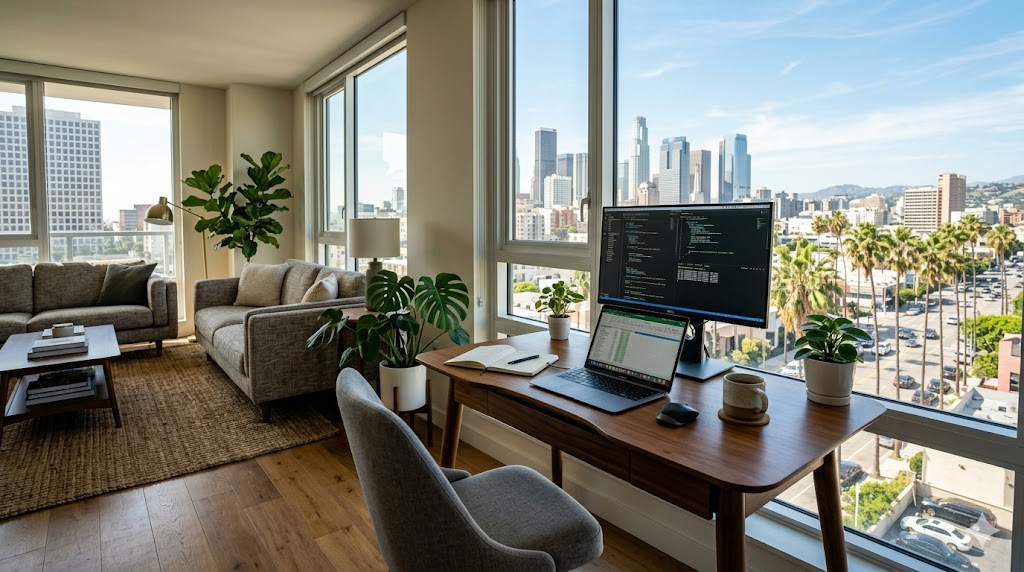

What Does Single-Family Residential Property Management Look Like In Los Angeles For Short And Mid-Term Rentals?
Single-family residential property management is the day-to-day system that keeps a rental property profitable, cared for, and compliant while you stay hands-off. In Los Angeles, this usually means operating a single-family home as a guest-ready, furnished single-family rental that can perform for short stays and longer mid-length bookings without burning out the owner. The goal is to protect property value, stabilize rental income, and reduce owner stress with professional management routines that run whether you are local or away.
For many property owners, a single-family home is also an investment property with long-term goals. Single-family homes come with unique challenges, and the pressure grows fast when you are juggling multiple properties. You want strong rental rates without constant interruptions. You want fewer surprises with maintenance issues. You want a clean, safe property that supports positive relationships with the people staying there. And you want a simple way to see results through financial reporting, not scattered texts and receipts.
How Do Property Management Companies And Property Managers Deliver Professional Management for Single-Family Homes?
Property management companies in the property management industry bring structure to what can feel like chaos. Property managers coordinate the moving parts that make short- and mid-term rentals work in real life, especially when you need to manage single-family homes at a high standard. That includes tenant acquisition, 24/7 guest communication, dynamic pricing, calendar optimization, and the behind-the-scenes work that keeps the home ready between stays.
A strong single-family property management setup usually includes property management services such as:
- Creating and updating online listings, improving photos and property features, and adjusting messaging to attract the right potential tenants and new tenants for a single family rental.
- Handling tenant relations with open communication, so questions, rules, and expectations are clear from the start.
- Coordinating cleaning, coordinating maintenance, and repair services so the home stays guest-ready and protected.
- Monitoring performance using a proactive approach that raises standards over time instead of reacting after problems happen.
This is a key part of turning a property into a reliable income asset. It also helps owners save time, because the daily work is handled by a dedicated team with extensive experience.
How Does Tenant Acquisition And Tenant Screening Work for Single-Family Homes In Los Angeles?
Tenant acquisition for short- and mid-term rentals is about finding the right fit and reducing risk. Even when stays are shorter than a traditional lease, you still want qualified tenants who respect the home, follow rules, and align with your property’s standards. This is where screening tenants and tenant screening matter.
A practical workflow often looks like this. First, your team publishes and refreshes online listings with clear details, accurate pricing, and rules that match the home. Next, they filter inquiries to identify serious potential tenants, confirm timing, and set expectations. Then they review rental history when available, verify details, and choose qualified tenants that match the home and the neighborhood. Finally, they coordinate move in instructions and set clear move out steps so the turnover is smooth.
This process supports tenant satisfaction because expectations are set early. It also reduces turnover costs and the risk of property damage, especially when the home is furnished and needs consistent care.
How Do Lease Agreements, Lease Terms, and Landlord-Tenant Laws Shape Tenant Expectations And The Legal Landscape?
In Los Angeles, the legal landscape matters. The right paperwork and communication protect both sides, especially when your rental property is used for short- and mid-term stays. Lease agreements and written policies should be clear about lease terms, house rules, pet policies, and what happens if rules are broken.
Even when stays are short, you need a process that respects landlord-tenant laws, supports legal compliance, and avoids misunderstandings. Clear documents help set tenant expectations around quiet hours, guest limits, parking, utilities, and maintenance responsibilities. They also make lease renewals easier when a mid-term guest wants to extend and you want predictable income.
Legal compliance is not just paperwork. It is also the habits that prove you are running the property responsibly, such as keeping detailed records, doing regular property inspections, documenting maintenance requests, and ensuring compliance with required safety checks. When the rules are handled upfront, you can focus on performance instead of disputes.
How Can Rent Collection And Collecting Rent Stay Smooth For Monthly Rent And Due Dates?
Rent collection should feel simple for residents and predictable for owners. Collecting rent on time protects monthly rent, reduces late payments, and helps you plan for property taxes and maintenance costs. In a well-run system, rent payments are tracked the same way every time, and due dates are communicated clearly.
Here are practical ways property managers keep rent collection steady:
- Set clear due dates, reminders, and policies for late payments, so guests know when to pay rent and what happens if they miss it.
- Offer simple payment options and confirm receipts quickly, so rent payments do not get lost in messages.
- Track collecting rent in one place, so you can see totals, gaps, and trends without digging through emails.
- Apply rules consistently to protect a positive landlord-tenant relationship and avoid confusion.
- Document exceptions in writing, so your detailed records stay accurate for financial reporting.
When this workflow is consistent, you protect rental income while reducing stress and improving tenant relations.
How Do Property Management Software, Property Maintenance, And Financial Reporting Support Maximum Efficiency?
Property management software is most valuable when it supports maximum efficiency without compromising quality. It can help track bookings, store lease agreements, log maintenance requests, and organize financial reporting for the property. The software is not the strategy, but it can make the strategy easier to run.
On the operations side, single-family properties need reliable property maintenance. A good team handles property maintenance with a proactive approach that keeps small issues from becoming unexpected repairs. They coordinate maintenance responsibilities, schedule repair services, and respond quickly to maintenance issues so the home stays safe and guest-ready.
Here are the core operations that protect the home and your numbers:
- Coordinate maintenance and cleaning between stays, so the home stays consistent for guests and reduces complaints.
- Handle maintenance requests quickly, document maintenance issues, and prevent repeat problems that drive up maintenance costs.
- Use regular property inspections to spot wear, reduce property damage, and protect property value.
- Track expenses, turnover costs, and repair services in one system, so you can see what is normal and what needs attention.
- Share clear financial reporting with valuable insights, including rental rates, rental income, management fees, and what property managers charge under your pricing structure.
- Improve communication with open communication standards, so owners get updates without chasing information.
This is how professional management keeps the experience steady for guests and the results clear for property owners.
How Can You Maximize Rental Income And Minimize Owner Stress With Single Family Property Management?
When your single family home is treated like a real operation, you can earn more without turning ownership into a second job. The right process keeps your rental property guest-ready, supports tenant satisfaction, and reduces turnover costs, while you keep control over major decisions. You do not have to choose between maximum efficiency and excellent service. You can get both when the system is built for short- and mid-term performance.
If you want hands-off help from a team built for Los Angeles homeowners, start here:
Shortmid Stay.
This is the fastest way to turn your home into a high-performing single-family rental with reliable property management services, strong tenant screening, smooth rent collection, and owner reporting you can trust.
Final Thoughts
Single family residential property management works best when it is designed for the realities of Los Angeles short- and mid-term rentals. With clear rules, consistent systems, and a proactive approach to property maintenance, you can protect property value, maintain positive relationships, and grow rental income without constant stress.
Works Cited
City of Los Angeles, Housing Department. “Home Sharing Ordinance.” 5 Aug. 2020, https://housing.lacity.gov/articles/home-sharing-ordinance. Accessed 28 Feb. 2026.
City of Los Angeles, Office of Finance. “Transient Occupancy Tax Requirements.” https://finance.lacity.gov/transient-occupancy-tax-requirements. Accessed 28 Feb. 2026.
Los Angeles City Planning. “Home Sharing.” https://planning.lacity.gov/project-review/home-sharing. Accessed 28 Feb. 2026.
California Department of Real Estate. “California Tenants: A Guide to Residential Tenants’ and Landlords’ Rights and Responsibilities (2025 Edition).” 2025, https://www.dre.ca.gov/publications/ResourceGuidebook/2025_Landlord_Tenant_Guide.pdf. Accessed 28 Feb. 2026.
Consumer Financial Protection Bureau. “Tenant Background Checks.” 21 Mar. 2024, https://www.consumerfinance.gov/rules-policy/tenant-background-checks/. Accessed 28 Feb. 2026.
Federal Trade Commission. “What Tenant Background Screening Companies Need to Know About the Fair Credit Reporting Act.” https://www.ftc.gov/business-guidance/resources/what-tenant-background-screening-companies-need-know-about-fair-credit-reporting-act. Accessed 28 Feb. 2026.
Internal Revenue Service. “Publication 527: Residential Rental Property.” 2025, https://www.irs.gov/publications/p527. Accessed 28 Feb. 2026.