Comfort is the quiet “yes” a guest feels the moment they walk in. It’s not just a soft bed or a nice couch. It’s the sense that the space is easy to live in, safe to relax in, and thoughtfully prepared for real life.
That’s why comfort matters in vacation rentals: it shapes the guest experience from check-in to checkout, and it strongly influences reviews, repeat bookings, and how “worth it” the stay feels. If you want a rental that performs long-term, comfort is not a finishing touch. It’s a core strategy.
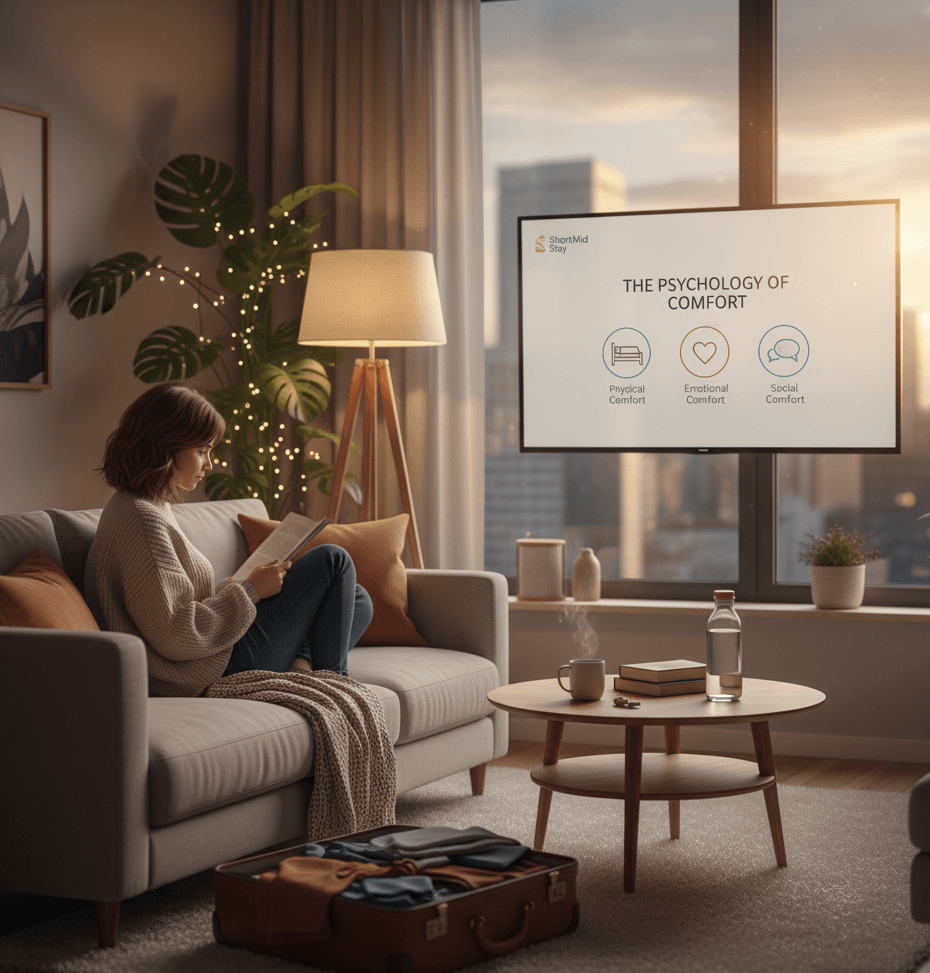
The Psychology of Comfort in Travel
Travel is exciting, but it also disrupts routine. New surroundings, unfamiliar sounds, different lighting, and a packed itinerary can increase stress even during a holiday. Comfort restores balance by reducing friction.
Physical comfort helps the body recover
Guests want to sleep well, sit comfortably, and control the temperature. When these basics are handled, guests feel more energy, more patience, and more satisfaction throughout the stay.
Emotional comfort helps the mind unwind
Warm lighting, calm colours, and small thoughtful details tell the nervous system, “You can relax now.” This matters because people don’t remember a property only as a place; they remember how it made them feel.
Social comfort supports connection and privacy
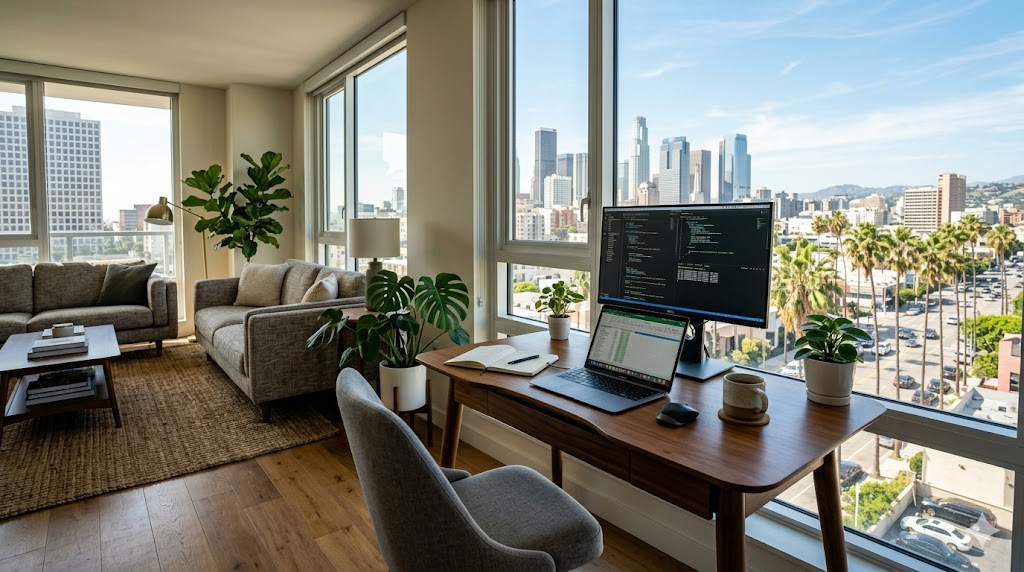
Great rentals create spaces where people can gather, while still offering privacy when needed. A couple wants a quiet corner. A family wants a shared lounge. A work traveller wants a setup that feels professional, not cramped.
When physical, emotional, and social comfort work together, the result is a stay that feels restorative instead of demanding.
Why Comfort Matters in Vacation Rentals More Than Hotels
Hotels are standardised. Vacation rentals are not. That individuality is part of the appeal, but it also raises expectations. Guests are choosing a “home away from home,” so comfort becomes the trust signal that tells them they made the right decision.
Comfort fuels better reviews
Guests rarely write, “The listing was exactly 800 square feet.” They write, “We slept so well,” “The living room was so relaxing,” or “Everything felt easy.” Comfort is often the reason behind a five-star rating.
Comfort increases repeat bookings
People return to places where they felt at home. A comfortable stay removes doubt and makes rebooking feel low-risk.
Comfort raises perceived value
Even at premium rates, guests feel the price is justified when the space is genuinely comfortable. If comfort is missing, even a beautiful property can feel disappointing.
The Emotional Impact of Cozy Travel Spaces
“Cozy” is not a style trend. It’s an emotional outcome. A cozy space helps guests settle quickly after travel and feel secure in a new environment.
Warmth and safety
Soft lighting, quality textiles, and a welcoming entry experience build immediate reassurance. Guests are more likely to relax when the space feels protected and calm.
Stress relief after travel
Guests often arrive tired. A comfortable lounge, a bed that feels inviting, and a bathroom that feels clean and well-stocked can shift mood instantly.
Stronger memories
People recall experiences through emotion. A comfortable property becomes part of the trip’s best memories, which leads to recommendations and stronger word of mouth.
Guest Satisfaction and Interior Design
Interior design isn’t just visual. In vacation rentals, design must perform. The most successful spaces are those where aesthetics and function support comfort at every step.
Bedding and sleep quality
High-quality mattresses, supportive pillows, breathable linens, and a room that feels quiet and dark enough to sleep are non-negotiables. Sleep is often the biggest determinant of overall satisfaction.
Seating and layout
Comfortable seating encourages guests to actually enjoy the home, not just sleep there. Layout matters, too: guests should intuitively understand where to sit, eat, work, and relax without feeling crowded.
Lighting that matches real life
A single bright ceiling light can make a space feel clinical. Layered lighting supports different moods: soft ambient light for evenings, task lighting for cooking or working, and accent lighting to make the space feel warm.
Climate control that guests can trust
If guests can’t cool the room or warm it up easily, comfort drops fast. Reliable temperature control helps guests feel in control, especially in longer stays.
Acoustics and quiet
Noise is a comfort killer. Even simple choices like rugs, curtains, and thoughtful bedroom placement can help reduce echo and improve rest.
When design choices prioritise comfort, guest satisfaction typically rises without needing gimmicks.
Designing for a Hospitality Experience That Lasts
Comfort doesn’t happen by accident. It’s built through intentional decisions that reduce effort and increase ease.
Think like a guest from the front door
Walk the space as if you just arrived. Are check-in instructions simple? Does the entry feel welcoming? Can you immediately tell where to put bags, charge a phone, or sit down?
Focus on universal comfort basics
Reliable Wi-Fi, a clean bathroom, and a kitchen that’s ready for real use are the essentials. Comfort often means guests don’t have to “make do.”
Layer softness and calm
Rugs, throws, cushions, and practical window coverings can shift a space from “nice” to “livable.” Neutral palettes with warm accents tend to appeal to most travellers and photograph well.
Balance style with durability
Furniture should look good, but it must also stand up to frequent use. Guests don’t feel comfortable if they’re worried something will break, wobble, or stain easily.
Add personal touches that feel genuine
A short welcome note, local recommendations, and a few thoughtful details can turn a stay into something memorable. The goal is not clutter; it’s care.
The Cost of Overlooking Comfort
When comfort is ignored, the downside shows up fast and tends to compound over time.
- Poor reviews: “Hard bed,” “uncomfortable couch,” or “couldn’t sleep” comments reduce conversion.
- Lower occupancy: Guests won’t return, and future guests hesitate when comfort is questioned.
- Reduced ROI: Owners may feel forced to lower rates to compete, even if the property looks great.
In hospitality, comfort problems cost more than comfort upgrades.
Comfort as a Competitive Advantage in Los Angeles Stays
In busy rental markets, many listings look similar in photos. Comfort is what separates a “good enough” stay from a stay guests trust. A polished listing may win the click, but comfort wins the review, the rebooking, and the referral.
If you’re exploring options, you can start at ShortMid Stay’s homepage to understand the experience they aim to deliver: ShortMid Stay.
For guests looking for the right fit
If you want to browse what’s available, explore the current range of homes here: view all ShortMid Stay listings.
If you prefer to filter by a specific collection, you can also browse listings by category.
For owners focused on performance
If you’re a homeowner considering professional support, ShortMid Stay shares useful context on what a property manager actually does: what a property manager in Los Angeles does.
They also cover practical ownership topics that influence comfort and guest experience, including managing a household in Los Angeles property management and a broader overview in this Los Angeles single-family property managers guide.
If you’re interested in working together, you can learn more about the approach here: partner with ShortMid Stay. For direct questions, use their contact page.
Comfort Creates Connection
The strongest vacation rentals aren’t defined only by location or décor. They’re defined by how guests feel inside the space. From the psychology of comfort in travel, to the emotional impact of cozy travel spaces, to the role of guest satisfaction and interior design, the takeaway is simple: comfort matters in vacation rentals because it turns a property into a trusted home away from home.
If comfort is your priority, explore shortmidstay.com and choose a stay designed to feel easy, welcoming, and genuinely livable.