If you’re relocating, taking on temporary assignments, or planning an extended stay, mid term rentals flexible housing can be the sweet spot between pricey short stays and restrictive contracts. In a city with constant market demand and fast-changing market dynamics, mid term rentals give you comfort, control, and stability—without a long term commitment.
At shortmidstay.com, you’ll find fully furnished spaces designed for real life: remote work, short courses, project-based moves, and temporary living that still feels like home.
What Are Mid-Term Rentals in Los Angeles?
Mid term rentals in Los Angeles are typically furnished accommodations available for stays of 30 days to around six months—an ideal market segment for people who need flexibility but don’t want the uncertainty of nightly stays. A medium term rental (sometimes called a midterm rental) bridges the gap between short term rentals and long term rentals that require traditional leases.
Unlike long term lease arrangements that lock you into rigid lease terms, mid term leases offer flexible lease terms and more lease flexibility—often with options for early termination depending on the agreement.
Why Mid Term Rentals Cater to Modern Renters
In Los Angeles, mid term rentals cater to a diverse group: remote workers, medical professionals, business professionals, international students, college students, and families needing temporary housing during renovations. This market trend is growing as people choose mobility without sacrificing stability.
Explore current options here: Browse Listings and start with the newest Mid-Term Stays.
Mid-Term vs Short-Term vs Long-Term: What’s the Real Difference?
Choosing between term rentals depends on your timeline, budget, and tolerance for frequent turnover.
Mid-Term Rentals Offer Balance
- Short term listings (nightly/weekly) can bring seasonal fluctuations, peak seasons pricing, and frequent turnover.
- Long term rentals often require traditional leases (12 months), strict security deposit rules, and long term tenancies.
- Mid term renting gives you a middle lane: stable monthly stays, fewer surprises, and properties rented for a defined window.
Why You Might Choose Mid Term Rentals
If you’re on remote work schedules, doing short courses, or navigating temporary assignments, you can choose mid term rentals to avoid overpaying like you would with vacation rentals, and avoid the weight of a long-term contract.
Why Fully Furnished Matters for an Extended Stay
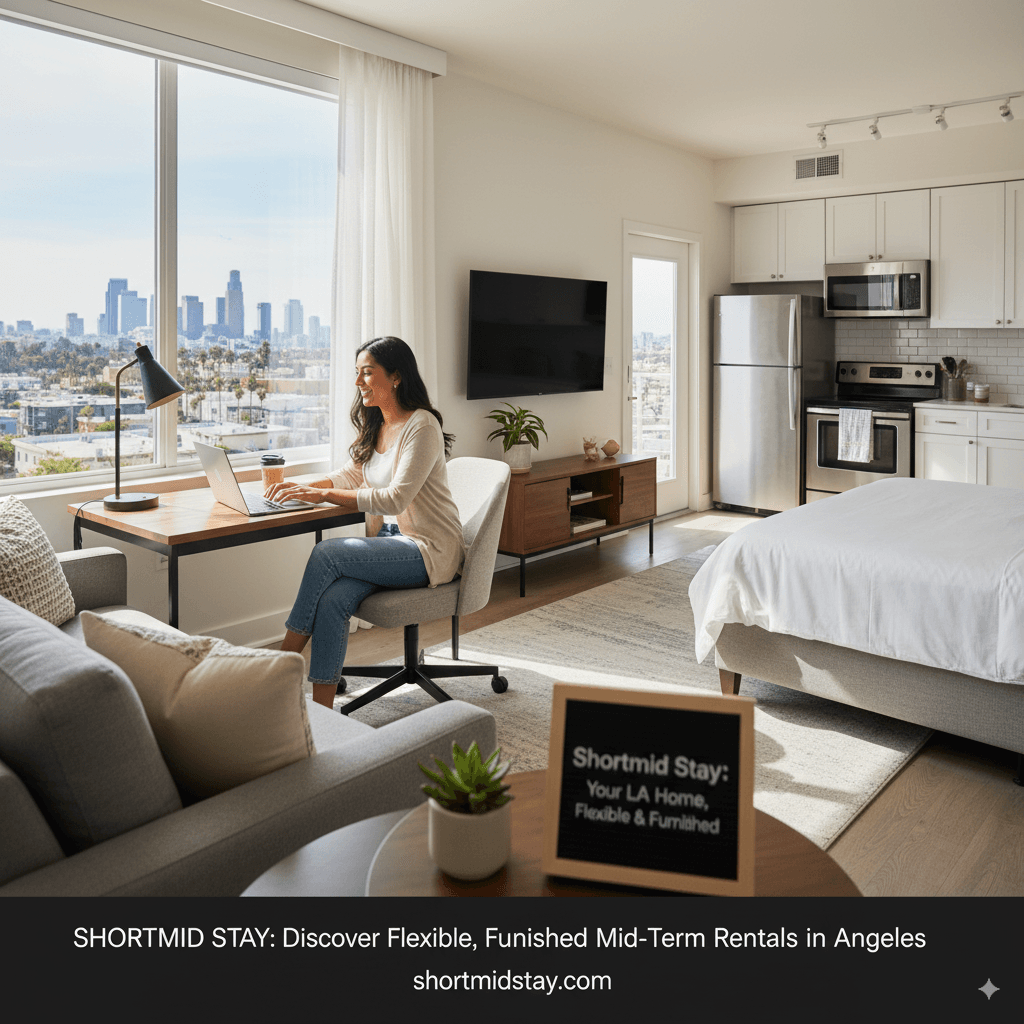
When you arrive for an extended stay, the last thing you want is furniture shopping, utility setup, or piecing together essentials. The best furnished rentals are fully furnished apartments (or homes) with essential amenities already handled—so you can arrive and start living.
A good setup usually includes:
- High speed internet for remote work
- A comfortable living area plus a workspace (even if it’s compact)
- A kitchen stocked enough for daily use (so you’re not living out of takeout)
- In-unit or accessible laundry (when possible)
At shortmidstay.com, listings are designed as furnished housing that’s typically furnished for real routines—not just quick visits.
Start here: shortmidstay.com
Who Mid-Term Housing Works Best For
Mid term renters aren’t one “type” of tenant—they’re a diverse group with one thing in common: they need dependable housing for a defined window.
Remote Workers and Project-Based Moves
Remote workers and hybrid teams often need furnished apartments near urban centers with strong connectivity and quiet. Mid term rentals offer stability so you can focus on work instead of constantly relocating.
Students and Short Programs
International students, college students, and people enrolled in short courses often need temporary housing close to transit and daily conveniences—without a long-term lease that outlasts their program.
Medical and Business Professionals
Medical professionals on rotation and business professionals on contracts often prefer corporate housing options that feel private and liveable (not like a hotel).
How to Spot a Good Mid Term Rental Before You Book
The mid term rental market moves fast, so compare intelligently. A good mid term rental should be clear, consistent, and professionally presented.
Look for:
- Transparent lease terms (including any early termination rules)
- Clear monthly pricing (watch for added fees and utilities)
- High quality photos that match the space and show key rooms
- A fair security deposit policy and documented condition notes
- Responsive communication and support
If you’re using broad searches (even a “furnished finder” approach), always confirm what’s included, what’s optional, and what’s required before you commit.
For Property Owners: Why Mid-Term Renting Can Be a Smarter Rental Strategy
This is where mid-term rentals get especially interesting for property owners. In many cases, the mid-term segment can reduce frequent turnover while still outperforming strict long-term pricing—depending on your local market and local regulations.
Benefits for Owners in the Rental Market
- More consistent income than nightly stays during off peak seasons
- Reduced seasonal fluctuations compared to pure vacation rentals
- Better occupancy rates than relying only on peak seasons
- A stronger chance of attracting reliable tenants and quality tenants (often professionals on assignment)
- Fewer changeovers than short term rentals, which can lower operational strain
With the right property management approach—clear tenant screening, documented rules, and consistent standards—you can attract responsible occupants and high quality tenants who treat the home well.
If you’re an owner looking to build a resilient rental strategy, check:
Setting Expectations: Deposits, Screening, and Lease Flexibility
Whether you’re renting or hosting, clarity prevents stress.
What Renters Should Expect
Mid term leases often include screening steps and standard requirements similar to longer stays. That’s a good thing—it protects both sides and supports consistent quality.
What Hosts Should Put in Place
Owners and managers should plan for:
- Tenant screening aligned with the local market
- Clear house rules and realistic lease flexibility
- A structured process for early termination requests
- Standards that protect furnishings and reduce damage risk
This is how you attract a better class of mid term renters and maintain consistent performance across market trends.
Ready to Book the Right Mid-Term Stay in Los Angeles?
If you’re needing temporary housing and want comfort without the long-term strings, mid term rentals flexible housing is the practical move. You get the stability of a home, the convenience of furnished properties, and flexible timelines that fit real life.
Next steps:
- Explore properties now: All Listings
- Filter for mid-term options: Mid-Term Category
- Learn the owner side of the model: Los Angeles Residence Property Management Guide
- Talk to the team: Contact Us
When the rental market is shifting and market demand keeps rising, the smartest move is choosing a flexible housing solution that matches your timeline—without sacrificing comfort, privacy, or productivity.